SANSUI 9090DB-9090-8080DB-8080 Tuning Signal Meters 8090DB
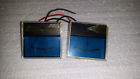
( Brand: Sansui ), ( Model: 8090DB ), ( Part Type: Meter ), ( Country/region Of Manufacture: Japan )
Review SANSUI Parts Tuning Signal Meters
The Sansui 8090DB Tuning Signal Meters, model numbers 9090DB-9090 and 8080DB-8080, are a pair of high-quality, vintage audio test instruments designed for professional use. These signal meters are part of Sansui's prestigious line of audio equipment, known for their durability, accuracy, and reliability.
The 9090DB-9090 and 8080DB-8080 tuning signal meters are designed to measure the amplitude of audio signals, making them an essential tool for audio technicians, radio broadcasters, and audio engineers. The meters feature a large, easy-to-read dial with clear markings for easy signal level monitoring. The dials are housed in a sturdy, metal casing with a sleek, retro design that complements any audio setup.
The 9090DB-9090 and 8080DB-8080 tuning signal meters are calibrated to measure signals in decibels (dB), with a range of -100dB to 10dB. They also feature a peak hold function, which allows the meter to display the maximum amplitude of a signal for a short period of time, making it easier to identify peaks and troughs in audio signals.
The Sansui 8090DB Tuning Signal Meters are powered by a single 9V battery, which is easily accessible through a removable battery compartment on the back of the meter. The meters also feature a DC power input, allowing them to be powered from a DC power supply for continuous use in a studio or broadcast environment.
Overall, the Sansui 9090DB-9090 and 8080DB-8080 tuning signal meters are a must-have tool for any audio professional looking for a reliable, accurate, and easy-to-use signal level meter. With their vintage design and modern features, these meters are a great addition to any audio setup and are sure to become a cherished piece of audio history for years to come.
The Sansui 8090DB Tuning Signal Meters (9090DB-9090-8080DB-8080) are professional-grade audio level meters designed for use in audio engineering and broadcasting. Here are some pros and cons to consider before making a purchase:
Pros:1. Accuracy: The Sansui 8090DB meters are highly accurate, with a resolution of 0.1 dB and a frequency response of 20 Hz to 20 kHz. This makes them ideal for precise level monitoring in audio production and broadcasting.
2. Durability: Sansui is known for its robust and durable products, and the 8090DB meters are no exception. They are built to withstand heavy use in a professional environment.
3. Versatility: The meters can be used for a variety of audio applications, including music production, audio engineering, and broadcasting. They can also be used for measuring sound pressure levels in different environments.
4. Easy to read: The large, clear displays and easy-to-read dials make it easy to monitor audio levels at a glance.
Cons:1. Price: The Sansui 8090DB meters are not cheap, and they may be out of budget for some consumers.
2. Size and weight: As professional-grade meters, they are larger and heavier than some consumer-grade models. This may make them less portable for some users.
3. Limited features: While the 8090DB meters are highly accurate and reliable, they do not have some of the advanced features found in more expensive meters, such as peak hold or averaging functions.
In conclusion, the Sansui 8090DB Tuning Signal Meters are excellent tools for audio professionals who require high accuracy and durability in a tuning signal meter. While they may be expensive and less portable than some consumer-grade models, their accuracy and reliability make them a worthwhile investment for those in the audio industry. If you are a professional audio engineer or broadcaster, the 8090DB meters are definitely worth considering. However, if you are a hobbyist or casual user, you may want to consider less expensive and more portable alternatives.
Details:
Please view my other listings, as I have vintage or unique items listed.
Items are just as the states when I ship them.
I also have the light box with both lights working available for a small fee. The pictures are part of items.
This set of signal and tuning meters were pulled from a previously working unit.
part #: 8090db prices
- $25.00-$45.00
specifications partsvintageaudio:
- brand: Sansui
- model: 8090db
- part type: Meter
- country/region of manufacture: Japan
Seller partsvintageaudio:
- city: Jackson, Michigan
- zipcode: 49203
General partsvintageaudio:
- consumer electronics > vintage electronics > vintage audio video parts accessories consumer electronics > other vintage audio video
- in stock: Yes
Payments partsvintageaudio:
- PayPal
Returns partsvintageaudio:
- policy: returns accepted
- paid by: Buyer
- type: Money Back
- time: 14 Days
Shipping partsvintageaudio:
- cost: $0.0
- handling: 3 days
- type: Flat
Offer partsvintageaudio:
- quantity: 1
- Sold: 0
- best offer: false
- bids: 0
- Started: November 3, 2017, 6:00 am
Ratings:
- Super Fast Shipping! Thanks A 10-17-17
- Exactly what I needed. Thank you AAA 11-02-17
- Thanks and good luck with your restorations! Come back soon! 10-11-17
- TT was in execellent condition, will buy from seller again. 10-24-17
- Great seller, as described, shipped quick, 5 stars!!!! 10-17-17
Sansui 8090DB Is Similar To:
- 1060320 Sansui 8080 Db Parts (53.8% similar) Volume balance control potentiate with circuit board pulled from a previously working Sansui 8080DB...(September 23rd, 2017)
- G-6700 Sansui Receiver Parts Board (40.5% similar) Sansui G-6700 receiver parts F-3000 board. Digital display circuit board not included shipped with USPS priority mail...(January 17th, 2019)
- Rj-7 Sansui Graphic Equalizer Japan Untested For Parts As Is (29.1% similar) If you are unhappy for any reason, I pay return shipping costs. Items added weekly. Please send me a message with any questions...(March 10th, 2019)
- F-1209 Sansui Au-999 Tone Control Block Parts (40% similar) Pulled from unit that powered up. Sansui Au 999 tone control block f 1209 circuit board...(February 4th, 2016)
- G-5700 5319410 Sansui Pure Power Stereo Am Fm Receiver Tuning Knob Pn (35.3% similar) I have a SANSUI5700 pure power stereo am FM receiver tuning knob up for sale. The SANSUI5700 pure power stereo am FM receiver tuning knob is in very good condition...(September 2nd, 2016)
- Sansui D-x211hx-r Cassette Parts Jack Synchro system Control Set Of 2 (29.8% similar) 3 pin, switching type, pin-out is different on each jack. No test information is available...(May 3rd, 2024)
- Sansui Shob5 Technics Turntable Parts Rubber Mat 11-5 16 Inch 7-1 2 Ounces (28.6% similar) It measures 11-5/16 in diameter that is very good condition. Whats included is what pictured. Available is a rubber platter mat from technical turntable...(December 11th, 2024)
- Sansui M55e Headshell With Wires Shure Cartridge No Needle Untested For Parts (23.6% similar) This came with some audio equipment that was purchased recently and is untested sold as seen for parts...(January 12th, 2026)
- Sansui F-3109 R-50 Receiver Replacement Parts Power Transformer Part F 3109 (31.5% similar) Look the pictures before buying. You are buying a parts in great working and cosmetic condition. For all parts. The photos are an important part of the. Buy 4, 20% off your total purchase price. Buy 3, 15% off. Sometimes there are issues with the tier discount feature...(January 28th, 2026)
- Sansui F-3180 R-50 Receiver Replacement Parts Power Switch Cir Board Part F 3180 (30.3% similar) Buy 3, 15% off. Look the pictures before buying. For all parts. You are buying a parts in great working and cosmetic condition. The photos are an important part of the. Buy 4, 20% off your total purchase price. Sometimes there are issues with the tier discount feature...(January 28th, 2026)
- Sansui F-3110 R-50 Receiver Replacement Parts Main Circuit Board Part F 3110 (31.3% similar) Buy 4, 20% off your total purchase price. The photos are an important part of the. Sometimes there are issues with the tier discount feature. Look the pictures before buying. Buy 3, 15% off. For all parts. You are buying a parts in great working and cosmetic condition...(January 28th, 2026)