GAYLOR PRODUCTS Stereo Fax Delay Simulator U-3A
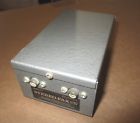
( Brand: Gaylor Products ), ( Model: U-3A ), ( Part Type: Simulator ), ( Country/region Of Manufacture: United States )
Review GAYLOR PRODUCTS Vintage Stereo fax Time Delay Simulator
The Gaylor Stereo-Fax Delay Stereo Simulator U-3A is a unique and versatile audio processing device that is designed to enhance the stereo image of your music or audio recordings. This analog delay unit features two independent delay lines, each with adjustable time and feedback controls, allowing you to create a wide range of delay effects, from subtle echoes to complex spatial soundscapes.
The U-3A's stereo simulator circuitry is what sets it apart from other delay units. It allows you to create a convincing stereo image by delaying the left and right channels by different amounts, creating a sense of width and depth. This is particularly useful for mono sources, as it can help to create a more spacious and natural sound.
The U-3A also features a high-pass filter on each delay line, which allows you to cut out low frequencies and reduce the build-up of low-end phase shift that can occur with long delay times. This ensures that your delay effects remain clear and defined, even at high feedback settings.
The unit is housed in a rugged steel enclosure, with high-quality aluminum knobs and a clear, easy-to-read LCD display. It also features true bypass switching, which means that the signal is only passed through the unit when it is engaged, ensuring that your tone is never colored by the delay effect when it is not in use.
Overall, the Gaylor Stereo-Fax Delay Stereo Simulator U-3A is a powerful and versatile tool for any musician or audio engineer looking to add depth and dimension to their recordings. With its two independent delay lines, stereo simulator circuitry, and high-pass filter, it offers a wide range of creative possibilities for both subtle enhancement and dramatic effect.
The Stereo-Fax Delay Stereo Simulator U-3A by Gaylor is a popular analog delay effects pedal known for its warm, natural sound. Here are some pros and cons to consider before making a purchase:
Pros:1. Analog Delay: The U-3A uses an all-analog delay circuit, which provides a warmer and more organic sound compared to digital delay pedals.
2. Stereo Simulation: The pedal features a stereo input and output, allowing you to create a wide, spacious sound by panning the delay effect between the left and right channels.
3. Adjustable Delay Time: The U-3A has a range of delay times, from short slapback to long echo, giving you a lot of flexibility to shape your sound.
4. Tap Tempo: The pedal has a tap tempo function, allowing you to set the delay time to a specific tempo by tapping a footswitch.
5. Bypass Switch: The pedal has a true bypass switch, which ensures that the signal is not altered when the pedal is turned off, preserving the sound of the guitar or bass.
Cons:1. Limited Controls: The U-3A has only a few controls, which may limit the level of customization for some users.
2. Lack of Feedback Control: The pedal does not have a feedback control, which can make it more difficult to achieve certain types of delay effects.
3. Higher Price Point: Compared to some digital delay pedals, the U-3A is more expensive.
4. No MIDI Capabilities: The U-3A does not have MIDI capabilities, which can be a disadvantage for those who use MIDI-controlled effects in their rig.
Conclusion:The Stereo-Fax Delay Stereo Simulator U-3A is a high-quality analog delay pedal that can add warmth and depth to your sound. Its stereo simulation and tap tempo functions make it a versatile and powerful tool for guitar and bass players. However, its limited controls and higher price point may be a drawback for some. If you're looking for a simple yet effective delay pedal with a natural sound, the U-3A may be a good fit for you. If you require more advanced features or are on a tighter budget, you may want to consider other options.
Details:
This produces a simulated stereo simulation. It was manufactured in 1959 and includes all documentation. This unit measures 5 x 3 Gaylor Products stereo-fax U-3A is a small box designed to link two amplifiers cause time delay in the transmission from first amplifier second.
specifications partsvintageaudio:
- brand: Gaylor Products
- model: U-3a
- part type: Simulator
- country/region of manufacture: United States
General partsvintageaudio:
- consumer electronics > vintage electronics > vintage audio video parts accessories consumer electronics > other vintage audio video
- in stock: Yes
Shipping partsvintageaudio:
- handling: 2 days
- type: Calculated
Seller partsvintageaudio:
- zipcode: 90034
- city: Los Angeles, California
Payments partsvintageaudio:
- PayPal
Offer partsvintageaudio:
- bids: 0
- Started: April 12, 2018, 1:15 pm
- quantity: 1
- Sold: 0
- best offer: false
Returns partsvintageaudio:
- policy: no returns
Ratings:
- xlnt! many thanks! 02-15-18
- Thank you for an easy, pleasant transaction. Excellent buyer.. 12-11-17
- Great communication. A pleasure to do business with. 01-23-18
- quick delivery, extremely pleased w/ purchase transaction, superb seller A 04-09-18
- Excellent package, safe delivery, very happy here, thank you! 11-01-17